
Proudly Australian Owned and Operated


What Is ATM on a Trailer?
AAA Trailers • September 1, 2026
If you’re on the market for a truck trailer, you've almost certainly come across the term ATM on a spec sheet and wondered exactly what is ATM on a trailer, and why it matters so much. This article explains the straight answer, along with why it's one of the first figures our team talks through with every AAA Trailers customer, and why it's a very important part of matching both the trailer and tow vehicle correctly before you buy.
The Meaning of Aggregate Trailer Mass (ATM)
ATM stands for Aggregate Trailer Mass. It's the maximum total weight of the trailer once fully loaded, the trailer itself plus cargo, fluids, and any fitted accessories, measured while the trailer is unhitched and sitting on its own landing legs, not attached to a tow vehicle.
Aggregate Trailer Mass is a strict legal limit set by the trailer's manufacturer, calculated based on the strength of the chassis, suspension, and mechanical components the trailer is built with. Every AAA trailer model is engineered to a specific ATM rating for exactly this reason. It's not a marketing figure or a rough measurement; it's the ceiling the whole build is designed around.
By law, every trailer must display its maximum Aggregate Trailer Mass on a compliance plate, alongside its VIN number and other key terms and specifications relevant to that unit. If you're ever unsure of a trailer's rating, that plate is the definitive source, not a listing, a brochure, or an educated guess.
Why ATM limits actually matter
Staying within your ATM limits isn't a box-ticking exercise. It's fundamental to safe and compliant towing, and it's one of the figures Australian heavy vehicle authorities take seriously. Exceeding your ATM can lead to heavy fines and other penalties, and more importantly, it can genuinely compromise how the trailer behaves on the road. An overloaded trailer can alter handling and braking stability in ways that aren't obvious until you actually need to stop quickly or manage a load shift, at which point it's too late to find out the hard way.
It's also worth checking your policy documents, operating above your rated ATM can affect your insurance cover in the event of an accident, so it's worth confirming with your insurer exactly where you stand before you push a load past its limit.
One more thing worth checking before you buy or hitch up: your trailer's ATM must not exceed the maximum towing capacity of your tow vehicle. A trailer rated well above what your tow vehicle can legally and safely handle isn't a bargain. It's a liability. This is where your tow vehicle's Gross Vehicle Mass (GVM), its own maximum weight rating fully loaded, comes into the picture too. Matching a trailer to a tow vehicle isn't just about the trailer's ATM in isolation. It's also about how that figure sits against your tow vehicle's specifications, the tow vehicle's body and chassis strength, its GVM, and its rated towing capacity together.
Gross Trailer Mass (GTM)
This is where a lot of confusion comes in, because Aggregate Trailer Mass and Gross Trailer Mass sound similar but describe two different things, and the distinction between gross vehicle mass, gross trailer mass, and aggregate trailer mass trips up a lot of buyers.
- ATM (Aggregate Trailer Mass) is the fully loaded trailer weight when it's unhitched, sitting on its own.
- GTM (Gross Trailer Mass) is the combined weight sitting on the trailer's own axles once it's hitched to a tow vehicle.
Gross Trailer Mass is always less than ATM when hitched, because part of the load's weight is transferred through the coupling to the tow vehicle rather than sitting entirely on the trailer's axle group. This is a genuinely different figure from your tow vehicle's Gross Vehicle Mass, which refers to the tow vehicle's own body, chassis, and load capacity, not the trailer at all, so it's worth keeping the two straight when you're checking specifications.
On AAA's tag trailer range, that coupling load runs through a pintle hook rather than a tow ball or kingpin, but the underlying principle is the same across the whole range: some of the combined weight is carried by the trailer's own axles (GTM), and some is transferred to the tow vehicle through the coupling.
You can see this play out clearly on our own 45ft Drop Deck with Bi-Fold Ramps, which carries an ATM of 45-47 tonnes but a Gross Trailer Mass of only 20-27 tonnes once hitched, a meaningful chunk of that loaded weight is carried through the kingpin to the tow vehicle rather than resting entirely on the trailer's own axle group.
Light trailers vs heavy commercial trailers: different coupling terms
If you've researched trailer weight on a caravan or light trailer, you may have come across terms like tow ball mass, tow bar, and jockey wheel, tow ball mass being the downward weight the coupling exerts on the tow vehicle, with a jockey wheel supporting the front of the trailer when it's unhitched. Those terms apply to light trailers and caravans with ball couplings. AAA builds heavy commercial trailers, not caravans, so our range couples via pintle hook or kingpin instead, with landing legs performing the same supporting role a jockey wheel does on a lighter setup.
Trailer Weight: Tare Mass & Payload
Trailer weight comes down to a handful of connected figures, and understanding how they relate to each other is essential before you buy.
Tare mass is the trailer's empty weight, also listed on the compliance plate alongside its VIN number. Subtract tare weight from ATM and you get your genuine payload capacity, the maximum trailer load you can legally carry, made up of cargo, equipment, tools, and spare tyres, quite separate from any passengers or fuel carried by the tow vehicle itself.
The lower a trailer's tare weight, the more payload capacity it offers for the same ATM rating, which is exactly why axle configuration, mainframe material, and overall trailer weight all factor into how much usable capacity a trailer actually has, not just its ATM figure alone. An empty trailer built from heavier materials will always give up some payload compared to a lighter equivalent rated to the same ATM, so tare weight is worth checking alongside the headline figure, not after it.
Across AAA's own range, this shows up clearly when you compare two trailers with very different jobs in mind. Our Tri Axle Converter Dolly has a tare weight of around 4.5 tonnes against an 18T ATM, while a heavy-duty build like the 45ft Drop Deck Quad-Axle Deck Widener carries a 60T ATM. Two very different trailers, two very different payload outcomes, both trailers built for a real job, not just a spec sheet number.
Over time, ordinary wear and tear on mechanical components can also affect how a trailer performs against its rated figures. Skipping regular maintenance won't change what's stamped on the compliance plate, but it can significantly shorten the working life of the trailer and reduce its durability and performance under regular heavy loads, which is part of why the build quality behind an ATM rating matters just as much as the number itself.
Getting Your Trailer Weight Figures Right Before You Purchase
Whether you're moving general freight, heavy machinery, or bulk materials, ATM, GTM, tare weight, and payload aren't just numbers to skim past on a spec sheet. They're what actually determines whether a trailer can legally and safely do the job you need it for. Getting this wrong carries real consequences either way, as it affects both the legality and the safety of the trailer every time it's loaded.
At AAA Trailers, every unit in our range, from tag trailers and drop decks through to quad-axle wideners, is built to a clearly defined ATM rating, with the GTM, tare weight, and payload figures to match. If you're not sure which ATM your operation actually needs, our team can offer professional advice and assist you in working out the right configuration for your typical load, taking into account your tow vehicle and how you actually run it, rather than leaving you to guess off a spec sheet alone. The key purpose of understanding these figures isn't to make towing complicated; it's to help you stay safe and stay compliant every time you're on the road.
Connect with AAA Trailers to talk through the right ATM and GTM rating for your next trailer.
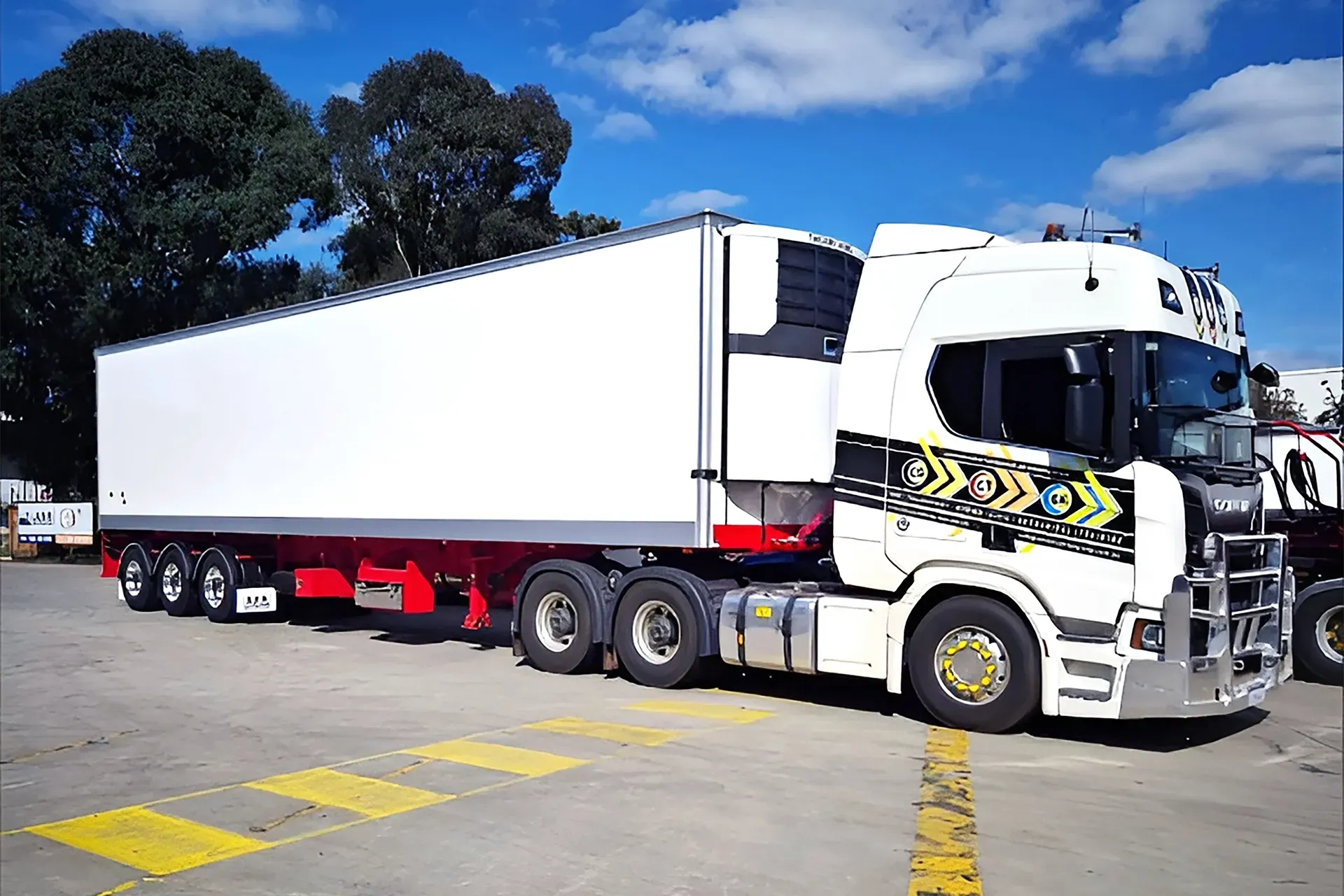
As Aussie farms grow in size and complexity, trailer trucks offer the flexibility and hauling power needed to meet modern farming demands. See how they help.
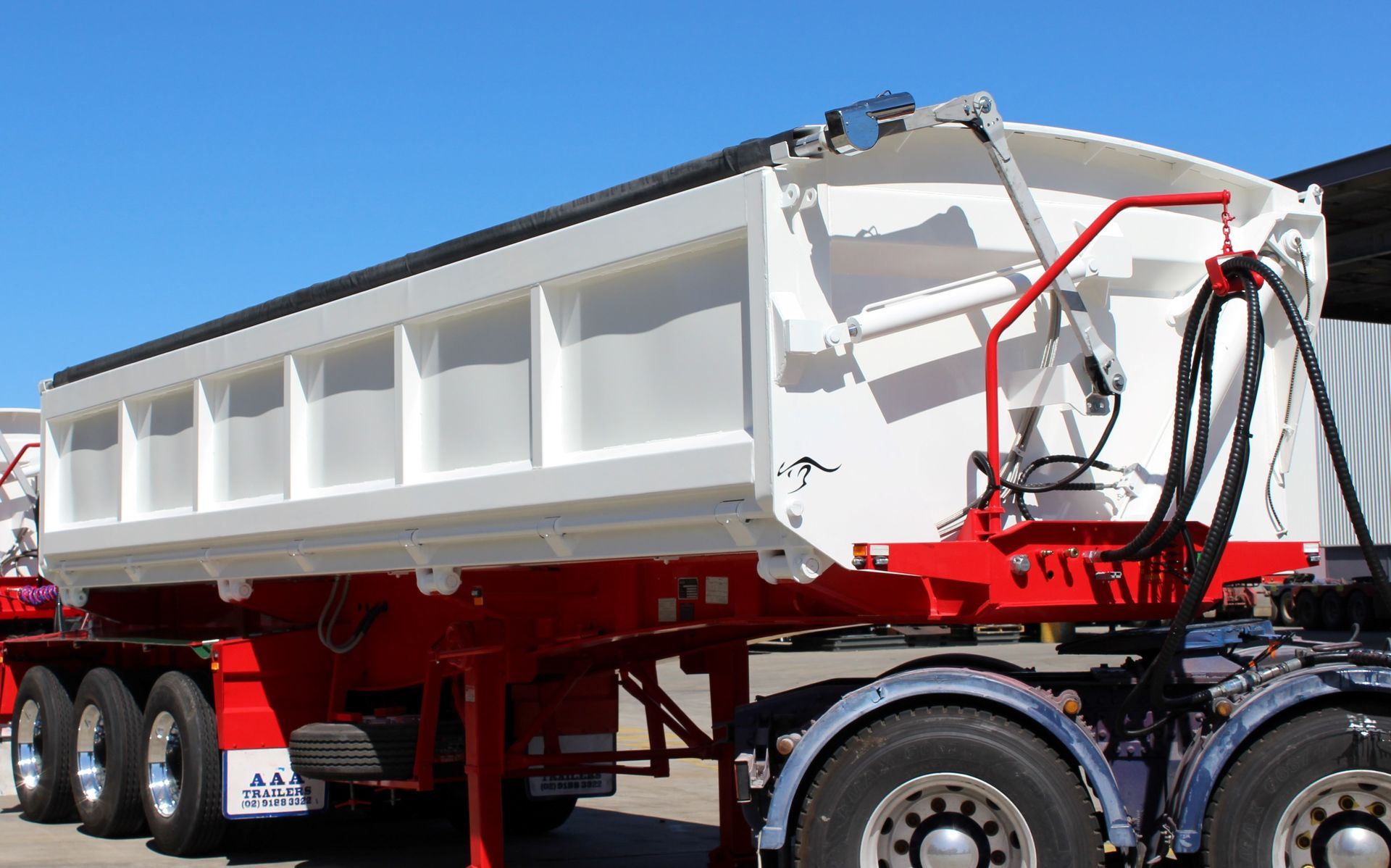
“Faster cycle times let operators complete more trips daily.” Find out why side tippers are taking over Australia’s toughest haulage jobs.
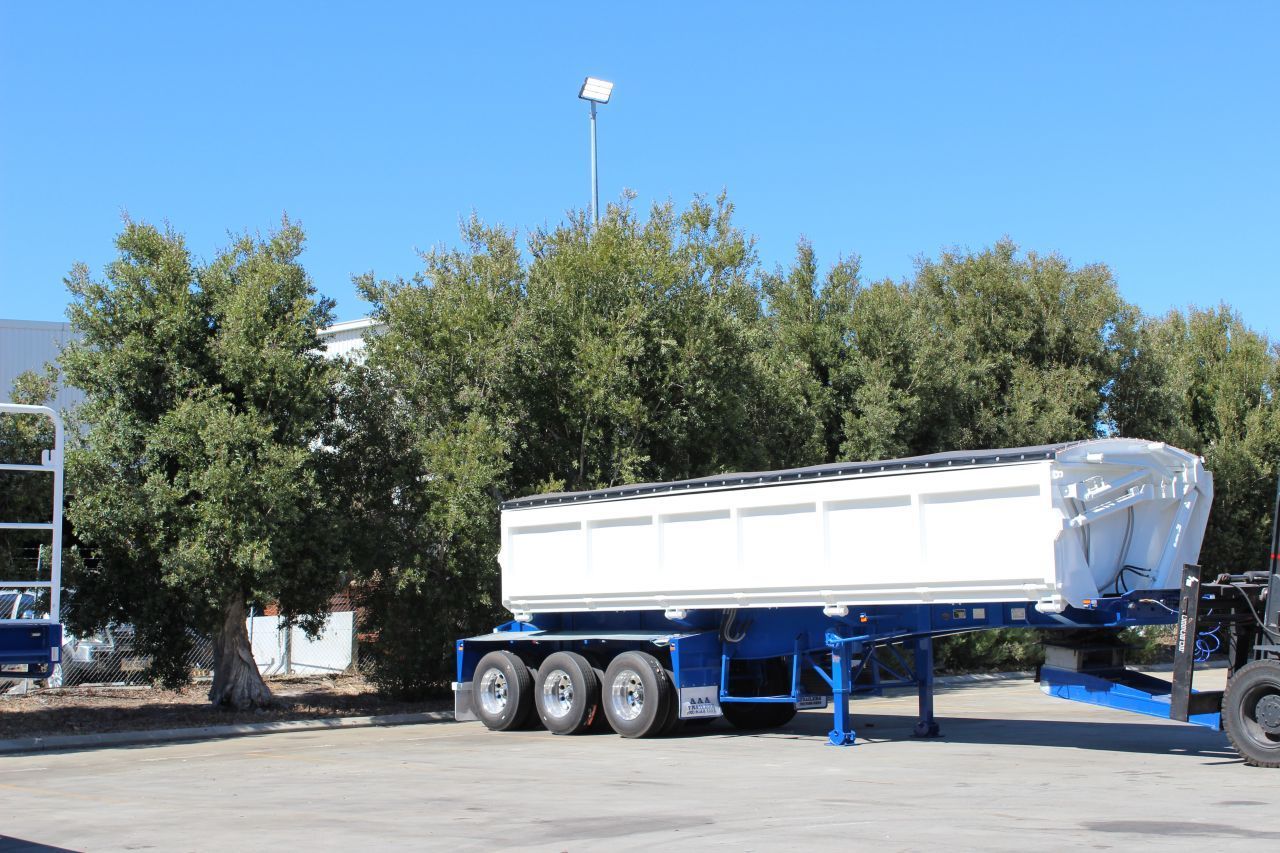
Find out how Consolidated Group enhanced its operations with over 60 AAA Trailers in this Trade Trucks feature. Learn about the partnership and shared focus on exceptional quality.